
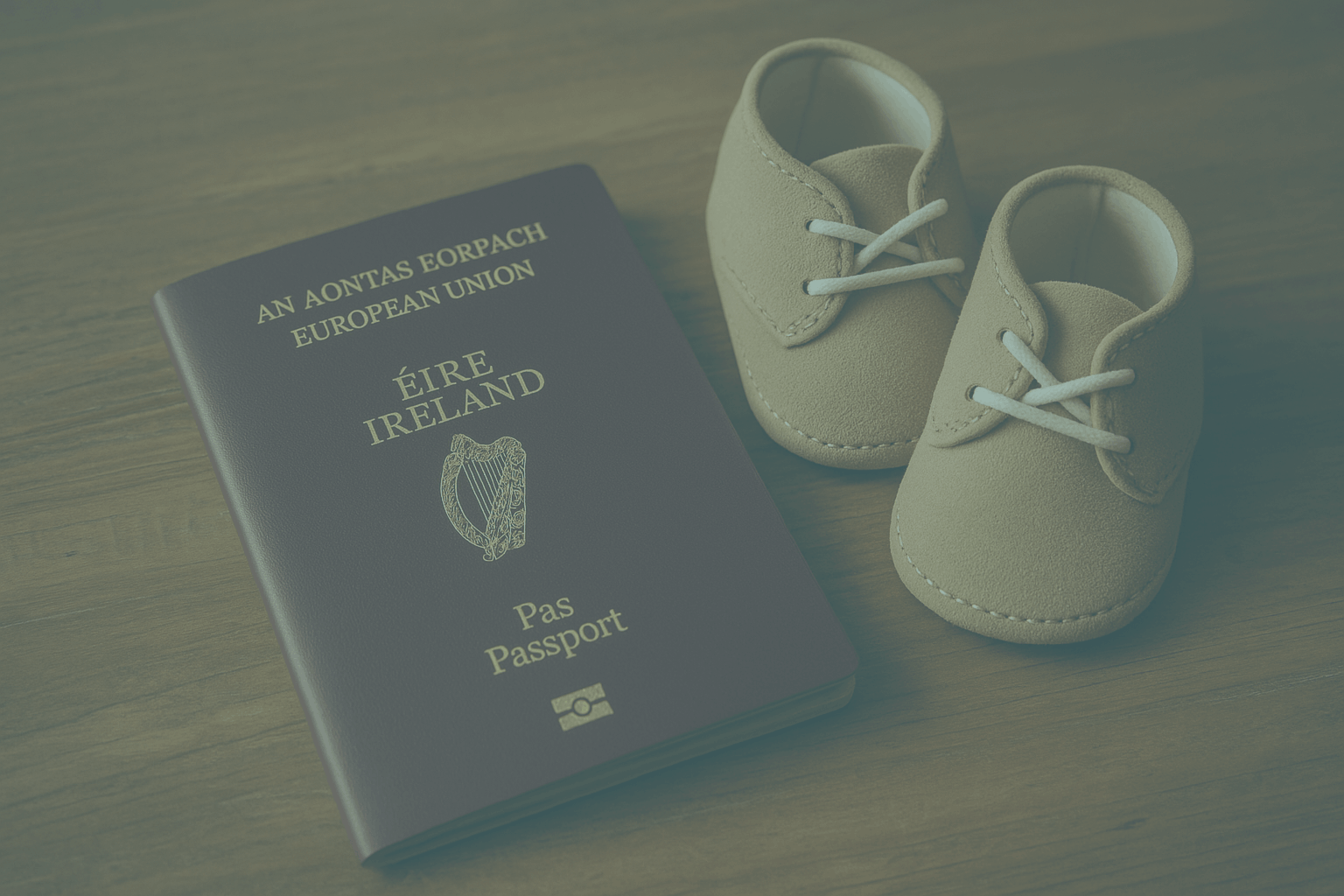
For gay men in Ireland who dream of becoming fathers, the path through international surrogacy can feel uncertain. Domestic law has been slow to evolve, leaving most intended parents looking abroad for ethical, legally secure options.
At Global Surrogacy Advisors, we work with Irish families to make sense of the legal framework and design practical international plans that lead to safe, recognised parenthood.
The Legal Situation in Ireland
Until recently, there was no legislation specifically recognising surrogacy in Ireland. That is now beginning to change through the long-awaited Assisted Human Reproduction (AHR) Bill 2022, which proposes to regulate domestic altruistic surrogacy.
However, as of 2026:
- Commercial surrogacy remains prohibited in Ireland.
- The new law does not yet recognise international surrogacy arrangements.
- Same-sex couples can both be recognised as parents only after a Parental Order process in Ireland’s courts once they return home.
(Source: Department of Health Ireland – AHR Bill Overview)
What This Means for Gay Men
Irish male couples or single men cannot complete surrogacy domestically; the medical, legal, and matching process must happen overseas. Once the child is born, Irish citizenship and parentage are confirmed through the Irish courts and Department of Foreign Affairs.
The process usually involves:
- Completing the surrogacy in a country that legally recognises gay parents.
- Obtaining a birth certificate listing one or both intended fathers.
- Applying for an Irish passport using DNA evidence and court documentation.
(Reference: Irish Fertility Society – International Surrogacy Guidance)
Best International Destinations for Irish Gay Men
- Colombia – Fully legal for same-sex parents, affordable, English-speaking clinics, robust legal recognition.
- USA – Highest legal certainty; both parents listed on birth certificate; premium cost.
- Mexico – Increasingly LGBTQ-inclusive; regulated in several states.
- Canada – Altruistic model; welcoming to Irish families but longer wait times.
Each destination differs in cost, visa requirements, and timeline. Our team at Global Surrogacy Advisors compares programmes side-by-side so clients choose what fits their values, budget, and timeline.
How to Begin Safely
- Seek independent advice before contacting agencies. Many overseas agencies focus on selling packages rather than explaining Irish legal implications.
- Engage dual legal counsel. Irish family lawyers plus destination-country lawyers ensure recognition in both jurisdictions.
- Budget for post-birth stay. Irish parents typically remain abroad 6–8 weeks awaiting travel documents.
- Plan disclosure early. Honest storytelling with your future child about their origins supports emotional wellbeing.
(Reference: Equality for Children – Irish Surrogacy Campaigns)
Bringing Your Child Home
Irish authorities usually require:
- The foreign birth certificate
- DNA testing linking at least one Irish parent
- Surrogacy agreement and legal opinions
- Passport application through the local embassy
The Parental Order process then transfers full parental rights to both fathers in Ireland.
Why Independence Matters
Our role at Global Surrogacy Advisors is to stay on your side of the table — no agency commissions, just clarity. We combine lived experience and global networks to ensure Irish intended parents embark on this journey with complete confidence.
Book a free consultation to discuss which destinations align with Irish legal recognition and your family’s goals.
👉 Book your free consultation with Global Surrogacy Advisors